Spring Into Action With Local Contractors for Trench Drain Installation
Spring is the perfect time to plan trench drain installations with trusted local contractors who help improve drainage and protect your property.
Spring is often considered an ideal time to think about trench drain installation because it marks the beginning of the outdoor renovation season. As weather conditions become milder and rainy periods increase, property owners may notice drainage issues or realize the need for better water management around their homes and landscapes. Planning and installing trench drains during spring allows for timely improvements that can help prevent water accumulation, soil erosion, or basement flooding as the rainy season approaches. Additionally, spring provides an opportunity to prepare outdoor spaces for summer use, ensuring proper drainage before heavy use or landscaping projects begin.
Typically, trench drain installation services encompass a range of tasks aimed at improving water runoff and preventing pooling or flooding. This work often includes assessing the property’s drainage needs, designing a suitable trench system, excavating the area, and installing durable grates and piping. Local contractors may also handle related tasks such as grading the surrounding terrain to direct water flow effectively or integrating drainage solutions with existing landscaping features. The goal of these services is to create an efficient and long-lasting drainage system that minimizes water-related issues and enhances the safety and functionality of outdoor spaces.
Property owners interested in trench drain installation can compare local options by considering the experience and reputation of nearby contractors, the range of services offered, and the quality of materials used. It’s advisable to seek out providers with a proven track record in drainage solutions and to review any available references or project portfolios. Consulting multiple service providers can help clarify the scope of work and identify the most suitable approach for specific property needs. By evaluating these factors, property owners can connect with local contractors capable of delivering reliable trench drainage systems tailored to their outdoor environments.
Plan your spring trench drain project by comparing local contractors' expertise and outlining your top priorities.
- Expert Trench Drain Installation - Local contractors can ensure proper placement and drainage for outdoor spaces.
- Seasonal Planning Assistance - Local service providers can help coordinate trench drain projects to prepare for spring rains.
- Material and Design Advice - Local pros can recommend suitable trench drain materials and configurations for your landscape.
- Professional Installation Services - Local contractors deliver efficient and reliable trench drain installation tailored to your property.
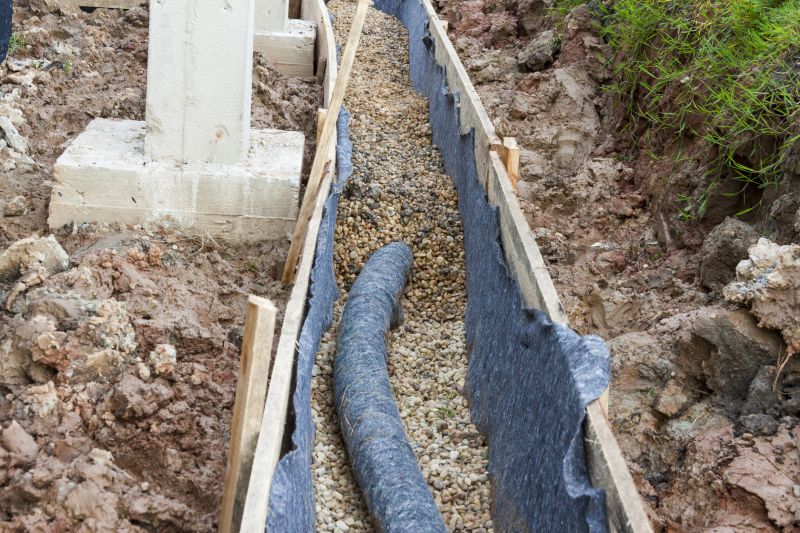
Before comparing options, clearly describe your trench drain installation project to help local contractors provide suitable solutions.
- Assess the area where the trench drain will be installed to ensure proper slope for drainage. - Proper grading helps prevent water pooling and directs runoff efficiently.
- Check for underground utilities or obstructions that could interfere with trench placement. - Contacting local service providers can help identify hidden lines before excavation begins.
- Determine the appropriate trench drain type and size based on the expected water flow and area size. - Local contractors can recommend solutions suited to seasonal spring runoff.
- Ensure the trench bed is stable and properly prepared to support the drain system. - Proper foundation prevents shifting and ensures long-term performance.
- Verify that the trench slope aligns with local building codes and drainage standards. - Compliance with regulations helps avoid future issues and ensures proper water management.
- Consult with local service providers to select quality materials that withstand spring weather conditions. - Durable materials contribute to the longevity and effectiveness of the drain system.
Consider how trench drain installation can enhance drainage and prepare your property for spring projects.
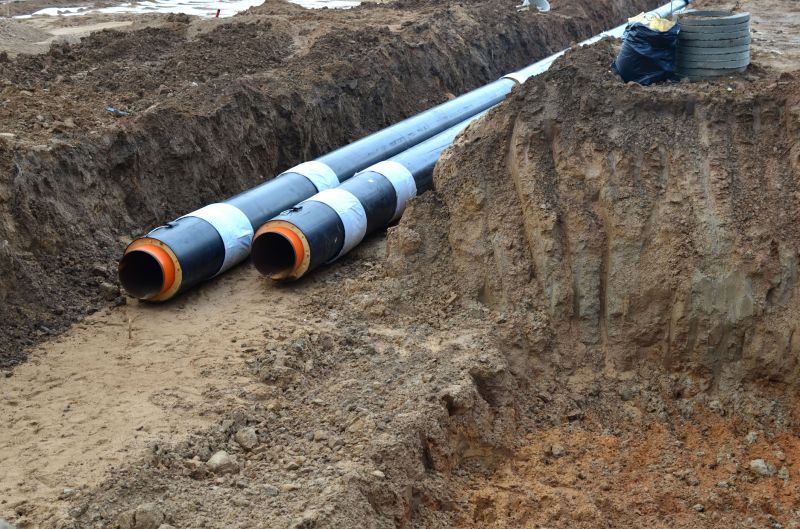
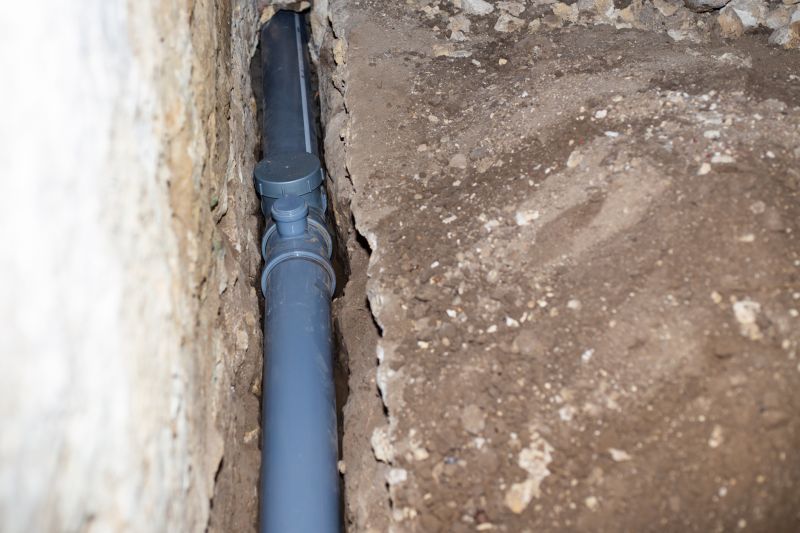
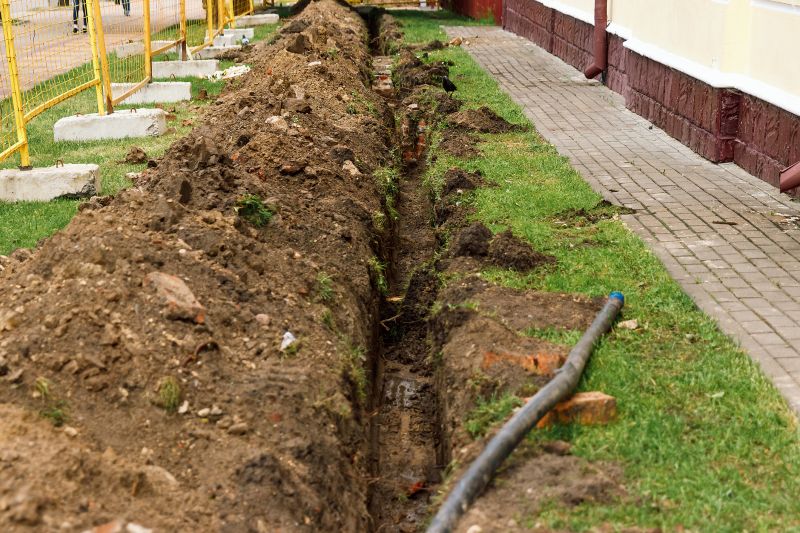
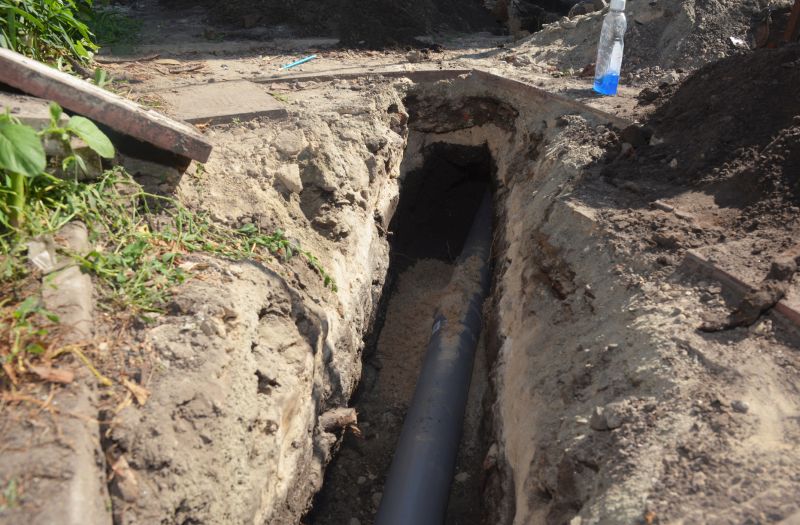
Prioritize your trench drain installation needs and compare local contractors to find the best fit for your spring project.
- Trench Drain Installation - Spring is an ideal time to install or upgrade trench drains to manage increased rainfall and runoff. Local contractors can assess drainage needs and provide practical solutions for outdoor spaces. Proper installation helps prevent water pooling and protects landscaping from erosion. Service providers can help design and install trench drains that suit the specific terrain and landscape features. Planning a drainage system in spring ensures effective water management throughout the rainy season.
Compare local contractors' scope options for trench drain installation to ensure consistent quality and service across providers.
- Site Assessment - Determine the area where the trench drain will be installed and evaluate existing ground conditions.
- Design Planning - Define the appropriate trench drain type, size, and slope to ensure proper water flow and drainage.
- Material Selection - Choose suitable materials that match the project's requirements for durability and functionality.
- Preparation Requirements - Identify necessary site preparations, such as excavation and base leveling, before installation begins.
- Installation Guidelines - Establish the proper methods and standards for installing the trench drain to ensure effective performance.
When evaluating local contractors for trench drain installation during the spring season, it’s important to consider their experience with similar projects. Homeowners should look for service providers who have a proven track record of installing trench drains in environments comparable to their property. An experienced contractor will understand the common challenges associated with spring weather, such as increased moisture levels and soil conditions, and will be better equipped to plan and execute the project efficiently. Asking about past projects or requesting references can help gauge a contractor’s familiarity with trench drain systems and their ability to handle seasonal considerations.
Clarity in the scope of work is a vital factor when comparing local service providers. A detailed, written description of the project helps ensure that both parties share the same expectations and understand the work involved. Homeowners should seek contractors who can clearly outline what is included-such as excavation, materials, drainage system components, and cleanup-and what might be considered additional. Clear communication about the scope minimizes misunderstandings and provides a solid foundation for evaluating how well a contractor’s approach aligns with the project’s needs.
Work planning considerations are especially important in spring, when weather conditions can influence construction schedules. Homeowners should inquire about how local contractors plan their work around unpredictable spring weather, including potential delays due to rain or soil saturation. Experienced service providers will have strategies for scheduling and contingency planning to keep the project on track. Understanding their approach to site preparation, material delivery, and workflow management can help homeowners assess how well a contractor can adapt to seasonal changes and ensure a smooth installation process.
When comparing options for trench drain installation, it’s helpful to focus on the contractor’s approach to project management, communication, and craftsmanship rather than solely on cost. Homeowners can evaluate how thoroughly each service provider explains their process, the level of detail in their proposals, and their commitment to quality work. Considering factors such as the clarity of the project scope, the contractor’s experience with similar projects, and their planning approach can lead to a more informed decision. This ensures that the chosen service provider is well-equipped to handle the specific demands of springtime installation and to deliver results that meet the project’s objectives.
Request written details from local contractors to ensure clear scope and expectations for your spring trench drain project.
- Scope of Trench Drain Installation - What specific areas or surfaces do local contractors typically include in trench drain projects?
- Material Options - How do local service providers compare different trench drain materials suited for spring drainage needs?
- Installation Methods - What installation techniques do local pros use to ensure effective spring runoff management?
- Project Comparison - How can homeowners evaluate the scope of services offered by different local contractors for trench drain installation?
- Seasonal Planning - What spring-specific considerations should be clarified when defining the scope with local service providers?
What is a trench drain and how does it work? A trench drain is a long, narrow channel designed to collect and direct surface water away from areas like driveways and patios, helping to prevent flooding and pooling.
What are the benefits of installing a trench drain in spring? Installing a trench drain in spring can help manage increased rainfall, protect landscaping, and prepare outdoor spaces for summer use.
What factors should be considered before installing a trench drain? Important considerations include the slope of the surface, the type of soil, the location of water flow, and the drainage capacity needed for the area.
How long does it typically take for local contractors to install a trench drain? Installation times can vary based on project size and site conditions, but many installations are completed within a day or two by experienced service providers.
Are there different types of trench drains suitable for various outdoor surfaces? Yes, there are various styles and materials designed to suit different surfaces, load requirements, and aesthetic preferences.
How can I find local contractors to handle trench drain installation? This site helps connect with local service providers who specialize in trench drain installation, making it easier to compare options and find the right fit for spring projects.
This overview highlights the key considerations for trench drain installation, including understanding the purpose of the system, planning the layout, and selecting appropriate materials. With spring as a season for outdoor projects and yard refreshes, now is a good time to explore options and prepare for efficient drainage solutions. Using the quote form can help compare local service providers who are experienced in trench drain installation, making it easier to find the right fit for specific project needs.
For those interested in moving forward, utilizing the quote form allows for comparison among local contractors who can handle trench drain installation with expertise. Connecting with trusted service providers ensures that your spring project is set up for success, whether for yard drainage, patio drainage, or other outdoor improvements. Taking a moment to compare options can help identify the best local professionals suited to your specific project requirements.
Providing clear details about your trench drain installation helps local contractors understand your project needs and plan effectively.
- Project Details - Share specifics about the area where the trench drain will be installed, including measurements and existing conditions.
- Material Preferences - Indicate any preferred materials or styles for the trench drain system.
- Site Accessibility - Describe the accessibility of the installation site to help local contractors plan their work.
- Additional Requirements - Mention any special considerations or features needed for the trench drain installation.